Blog
May 15, 2026
Many institutions rely heavily on ERP reports to monitor sponsored projects, but most standard reports are designed for historical reporting rather than forward-looking forecasting. In research administration, this creates a significant gap between what financial data reflects today and what portfolio risk may become tomorrow.
For post-award teams managing large portfolios, static reporting can make it difficult to identify emerging deficits, effort gaps, unbilled receivables, or awards approaching end date with significant remaining balances. While ERP platforms are highly effective for transactional reporting, forecasting requires additional layers of automation, operational context, and analytical interpretation.
Most ERP reports provide financial snapshots at a single point in time. While this is useful for accounting and reconciliations, forecasting requires institutions to evaluate trends across future periods. A project with a large remaining balance may appear financially healthy, but if the project is nearing the end of its period of performance, that same balance may represent significant risk.
Effective forecasting requires institutions to evaluate burn rates, projected spending patterns, payroll commitments, and project timing considerations. Without those elements, institutions are often reacting to issues after they occur rather than proactively managing them.
One of the most common operational challenges in research administration is the disconnect between effort commitments and actual payroll activity. Delayed payroll corrections, effort reallocations, and staffing changes can create hidden gaps that are not immediately visible in standard reports.
When effort commitments are not tied dynamically to payroll forecasting, institutions may discover deficits late in the project lifecycle. This can lead to cost transfers, rebudgeting complications, and increased audit scrutiny.
Many institutions also experience disconnects between revenue recognition, sponsor invoicing, and actual expenditures. Cost-reimbursable awards, scheduled payment agreements, and fixed-price projects all behave differently financially, yet reporting environments often fail to distinguish those operational differences clearly.
As a result, institutions may experience delayed invoicing, unbilled receivables, deferred revenue discrepancies, and inconsistent portfolio-level financial reporting.
Rather than forcing enterprise systems to perform advanced forecasting functions they were not designed to support, institutions can enhance reporting visibility by building lightweight automation layers around ERP data.
Using ERP APIs and workflow automation platforms, institutions can pull award balances, payroll actuals, effort commitments, and project timelines into centralized reporting and forecasting environments where consistent forecasting logic can be applied across the portfolio.
Once forecasting logic is established, AI-enabled tools can assist in interpreting the results and accelerating operational analysis. Rather than simply identifying a variance, AI-assisted workflows can help generate summaries explaining what changed, why it matters, and where additional attention may be needed.
For example, institutions can leverage AI capabilities within platforms such as Microsoft Copilot, ChatGPT/OpenAI technologies, or other enterprise AI environments to support:
When paired with workflow automation and institutional financial data, these tools can help research administration teams reduce manual analysis time while improving visibility into portfolio risk and compliance considerations.
Examples may include identifying delayed spending trends, highlighting potential effort gaps, supporting carry-forward planning discussions, or surfacing awards that may require re-budgeting or no-cost extension conversations.
Forecasting directly impacts compliance and institutional risk management. Poor forecasting visibility can contribute to late cost transfers, deficits, inaccurate sponsor reporting, and delayed corrective actions.
As research portfolios continue to grow in complexity, institutions need reporting environments that move beyond static balances and toward predictive operational visibility. The future of research administration is not replacing ERP platforms, but enhancing them with automation, forecasting logic, and operational intelligence.
Organizations that combine operational expertise with automation, AI-enabled analysis, and forecasting tools will be better positioned to reduce financial risk, improve compliance visibility, and support more proactive decision-making across the research portfolio.
The objective is to improve operational visibility into emerging financial and compliance risks early enough for institutions to take corrective action before issues escalate.
Stay tuned for part two in this series to discover why spreadsheet-dependent processes persist in research administration, the operational risks they create, and how institutions are modernizing portfolio oversight.
Attain Partners works with research institutions nationwide to help bridge the gap between system functionality, operational workflows, and institutional strategy. With the right strategy and the right partner, institutions can achieve measurable improvements in efficiency, compliance, and overall research administration performance, positioning their teams for long‑term success.
Learn how we can serve your institution.
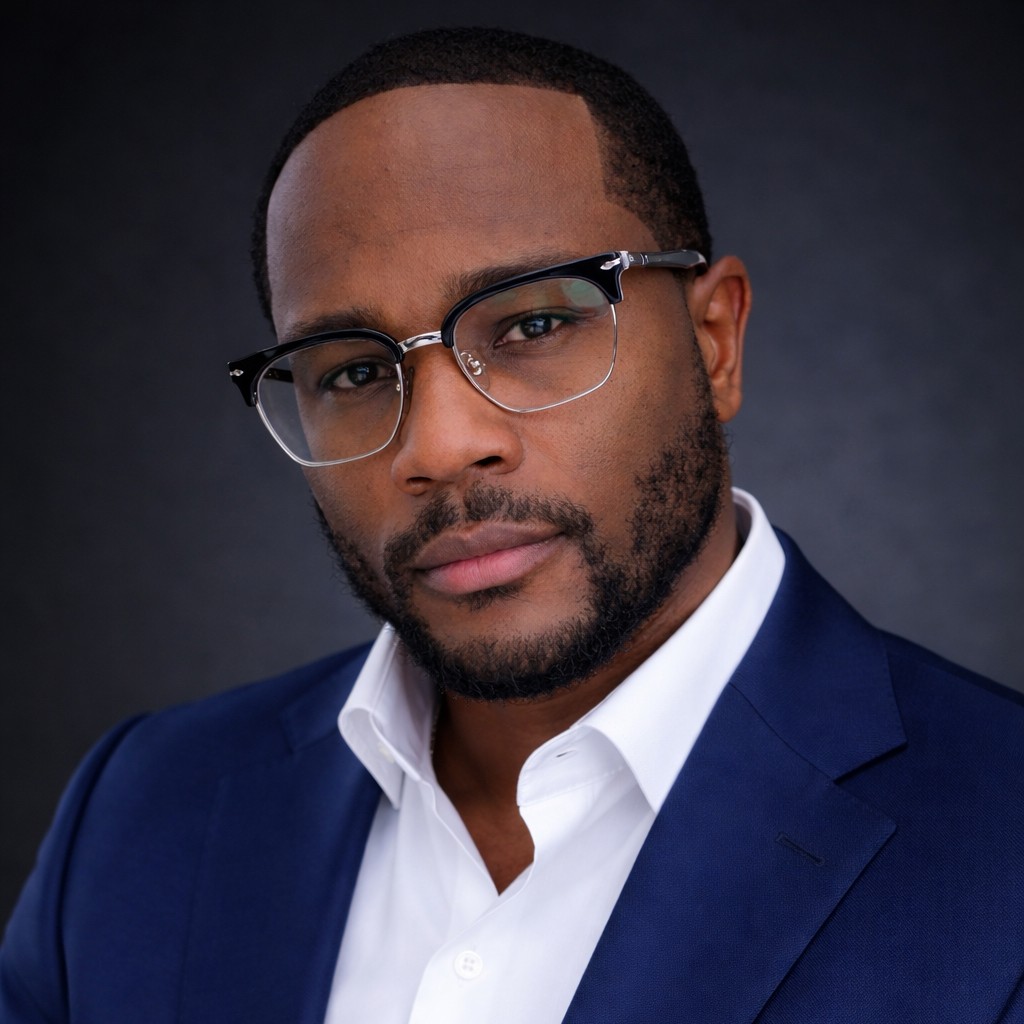
Daniel Stowers, MBA, is a Senior Consultant with more than 13 years of experience in research administration, specializing in post-award accounting, compliance, and financial analysis. He supports institutions with ERP implementations and optimizations across platforms, including Workday, Kuali, SAP, and Lawson, with expertise spanning research finance, grants accounting, reconciliations, reporting, and business process modernization.

Keep Your Finger
on the Pulse!
Subscribe to our monthly email newsletter for expert content to solve your organization’s issues and advance your mission.
Keep Your Finger
on the Pulse!
Subscribe to our monthly email newsletter for expert content to solve your organization’s issues and advance your mission.