Blog
March 31, 2026
Higher education enrollment leaders are navigating one of the most complex and competitive landscapes the sector has ever faced. The number of traditional college-aged students continues to decline. Tuition sensitivity is increasing. Students and families are questioning the return on investment of a degree. And growing demand for student support has fundamentally reshaped enrollment strategy. At the same time, expectations for personalized engagement and timely communication continue to rise.
These pressures are compounded by financial aid disruptions, shifting demographics, and intensified institutional competition. The result is a complex enrollment landscape that demands faster, more precise decision-making.
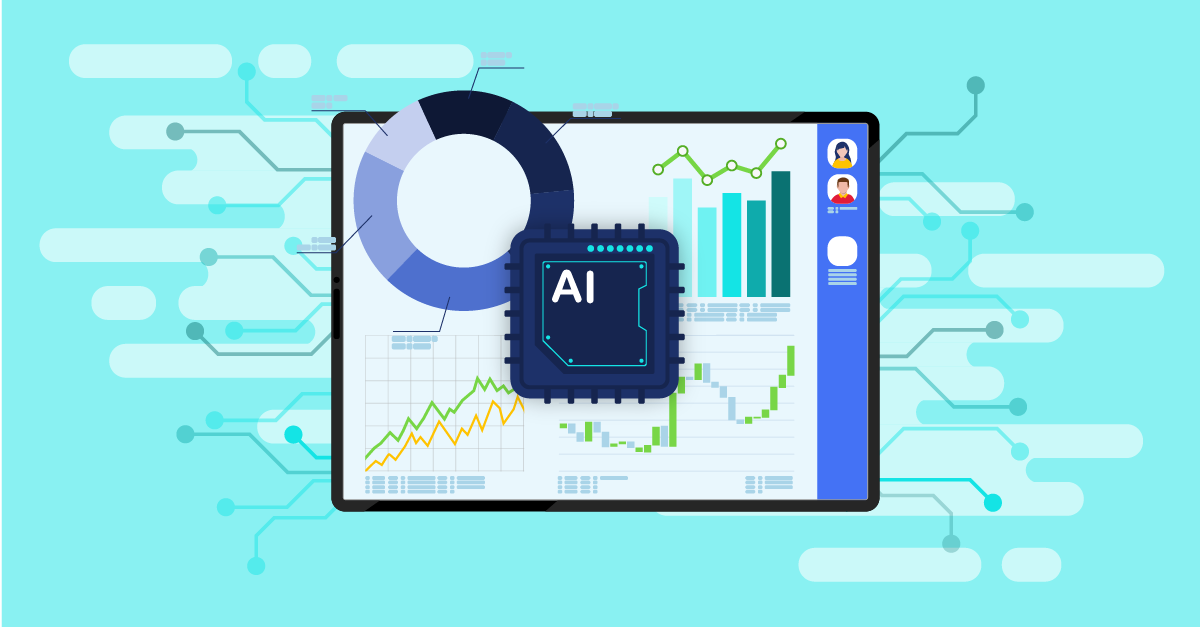
Intuition, static reporting, and retrospective analysis are no longer sufficient. Institutions that perform well are those that translate data into clear insight and act on it quickly. Increasingly, this requires not only dashboards that surface key metrics, but also AI-derived insights that help enrollment leaders understand patterns, anticipate outcomes, and act with confidence.
Today’s enrollment management environment is defined by volatility and complexity. Prospective students expect personalized, digital-first engagement, while institutions compete for a shrinking pool of traditional applicants and an expanding mix of non-traditional learners. Yet many colleges and universities continue to rely on fragmented systems, manual reporting, and backward-looking metrics.
While data exists across CRMs, student information systems, marketing platforms, and financial aid tools, it is often siloed and underutilized. Traditional dashboards may show what happened, but they rarely explain why it happened or what is likely to happen next. This gap limits an institution’s ability to intervene early, personalize outreach, or adjust strategy in real time.
This is where AI-enabled analytics can meaningfully elevate enrollment decision-making.
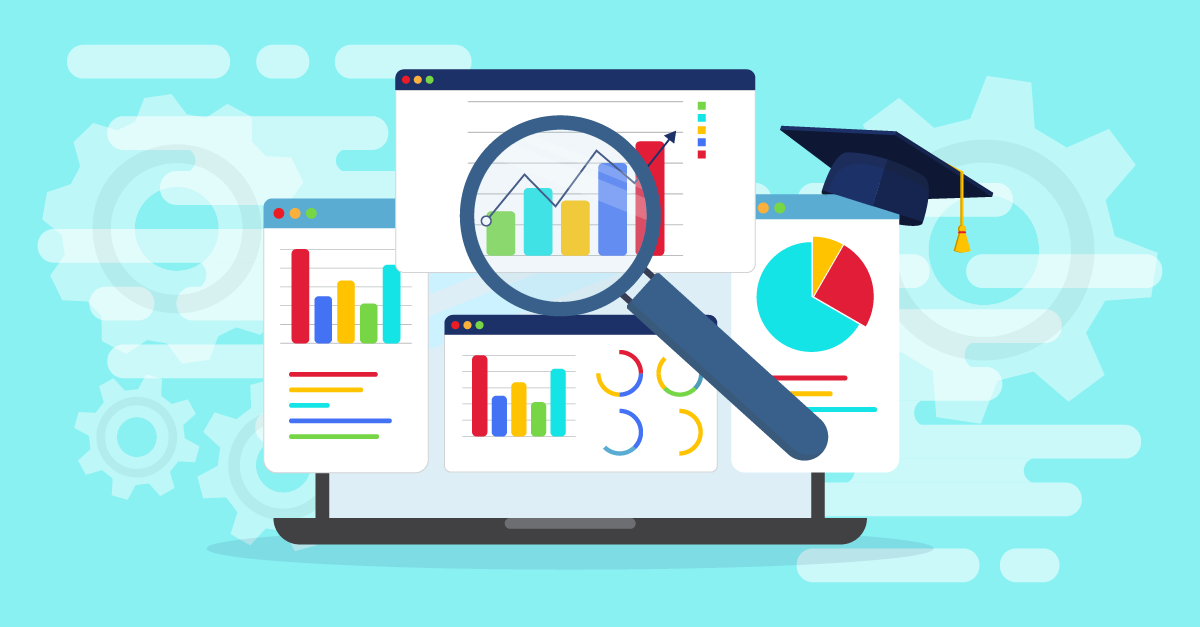
Modern enrollment management requires moving beyond descriptive reporting toward predictive and prescriptive insight. Dashboards remain essential because they provide visibility into key performance indicators such as inquiry to application yield, admit to enroll conversion, melt rates, and cycle over cycle trends. On their own, however, dashboards primarily explain what has already happened. AI extends dashboards’ value by helping institutions understand what is likely to happen next and, more importantly, what actions should follow.
Predictive analytics has become increasingly familiar across higher education. Many institutions now rely on forecasts to estimate application volume, enrollment yield, or melt risk based on historical patterns. What AI truly unlocks is prescriptive analytics. Rather than stopping at prediction, AI can translate data into recommended actions that enrollment teams can take in real time.
Instead of simply identifying risk, AI helps enrollment leaders determine which students require immediate attention, how they are most likely to respond to outreach, and where limited staff time will have the greatest impact. By analyzing engagement behavior alongside historical and real-time data, AI can surface patterns and anomalies that would be difficult to detect manually. The result is not automated decision-making, but clearer guidance that allows teams to act with greater confidence and precision.
The true value of dashboards and AI is realized when insight leads directly to action across the enrollment lifecycle, particularly at the individual student level.
For decades, higher education has assessed enrollment performance through broad segments such as academic profile, geography, or demographic group. While segmentation continues to play an important role, AI enables institutions to move beyond averages and develop a more nuanced understanding of individual student behavior. This shift allows enrollment teams to respond to students as individuals rather than as members of a category.
For recruitment teams, AI-enhanced dashboards can reveal which outreach strategies are resonating with specific students and suggest appropriate next steps to maintain momentum. Admissions teams can use these insights to manage application volume more effectively, prioritize reviews, and identify students who may be at risk of melting before decisions are finalized. At the institutional level, student-level insights can be aggregated to support more accurate enrollment projections, stronger financial planning, and more informed program decisions.
When insights are timely, trusted, and actionable, institutional behavior changes. Instead of reacting to missed goals late in the cycle, enrollment teams can intervene earlier, adjust strategy while there is still time to influence outcomes, and provide more targeted support to students. This movement away from aggregate, retrospective reporting toward individualized, prescriptive action reflects one of the most meaningful ways AI is reshaping strategic enrollment management.
While technology is critical, dashboards and AI alone will not transform enrollment management. Successful institutions pair analytics with strong data governance, clearly defined metrics, and a culture that values evidence-based decision making.
This includes ensuring data quality, aligning stakeholders on shared definitions of success, and designing dashboards that meet the needs of different users, from frontline admissions counselors to executive leadership. AI models must be transparent, monitored, and aligned with institutional values to build trust and encourage adoption.
When thoughtfully implemented, AI becomes a natural extension of the enrollment team, providing insights at scale while reinforcing, rather than replacing, human expertise.
As competition intensifies and student expectations continue to evolve, institutions that treat data and AI as strategic assets will be better positioned to adapt and thrive. Strategic enrollment management is no longer about reviewing outcomes after the cycle ends; it is about continuously learning, predicting, and improving throughout the cycle.
For higher education leaders, now is the time to assess whether existing systems and processes are enabling this level of insight or standing in the way. Institutions that invest in modern data strategies, intuitive dashboards, and responsible AI capabilities gain more than operational efficiency. They gain clarity, agility, and the ability to make informed decisions in an increasingly uncertain environment.
Attain Partners helps higher education institutions transform enrollment strategy through data integration, dashboard design, and AI-enabled analytics. Our team works with institutional leaders to build trusted data foundations, improve decision-making visibility, and operationalize insights across the enrollment lifecycle.
Learn how we can support your institution in assessing its readiness and take the next step toward a data-informed enrollment strategy.

John Yocum is a Senior Consultant at Attain Partners with over 14 years of experience leading business transformation, CRM implementations, and strategic program delivery across higher education and travel industries. He specializes in aligning business and technology through Salesforce initiatives, agile methodologies, and business architecture, and is known for translating complex requirements into scalable solutions that drive efficiency, stakeholder alignment, and sustainable growth.


Keep Your Finger
on the Pulse!
Subscribe to our monthly email newsletter for expert content to solve your organization’s issues and advance your mission.
Keep Your Finger
on the Pulse!
Subscribe to our monthly email newsletter for expert content to solve your organization’s issues and advance your mission.