Blog
October 6, 2026
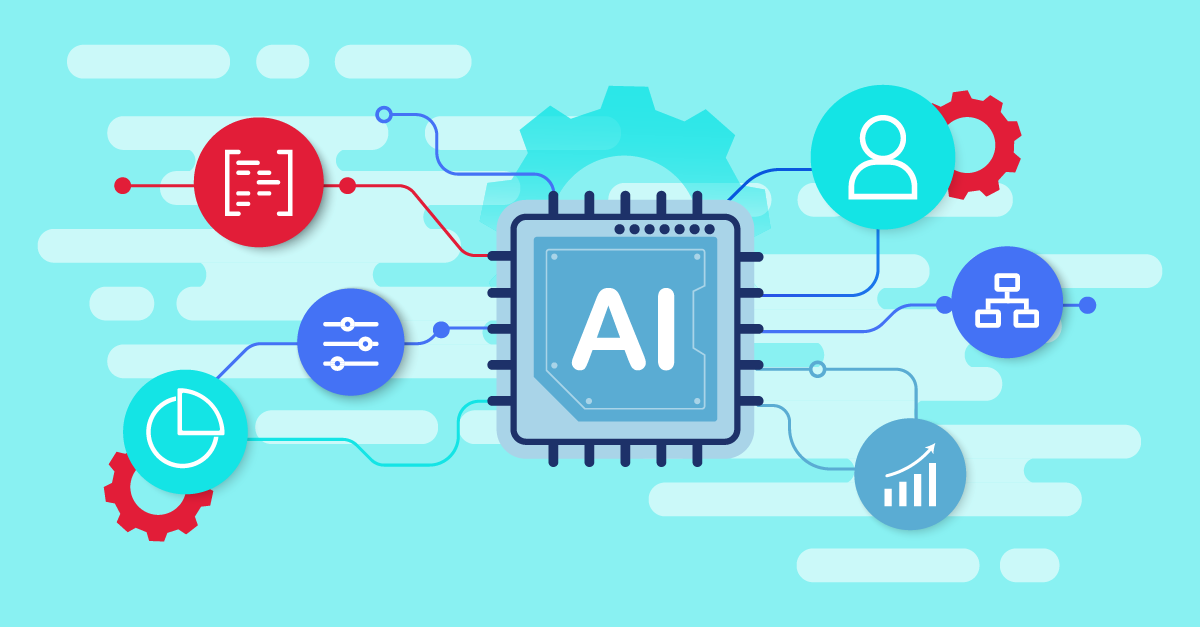
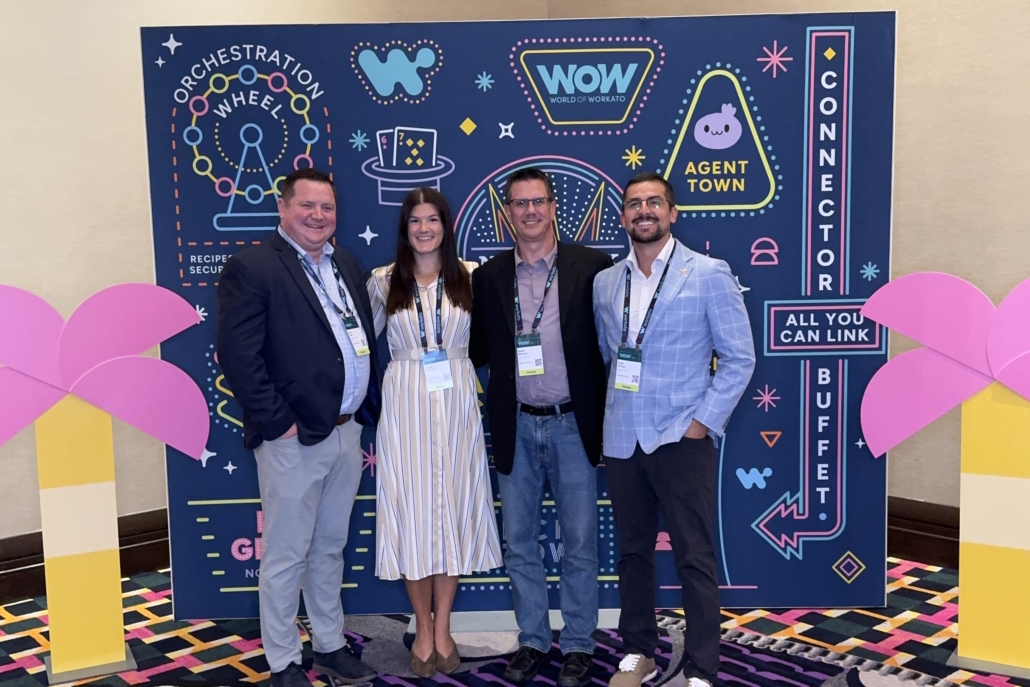
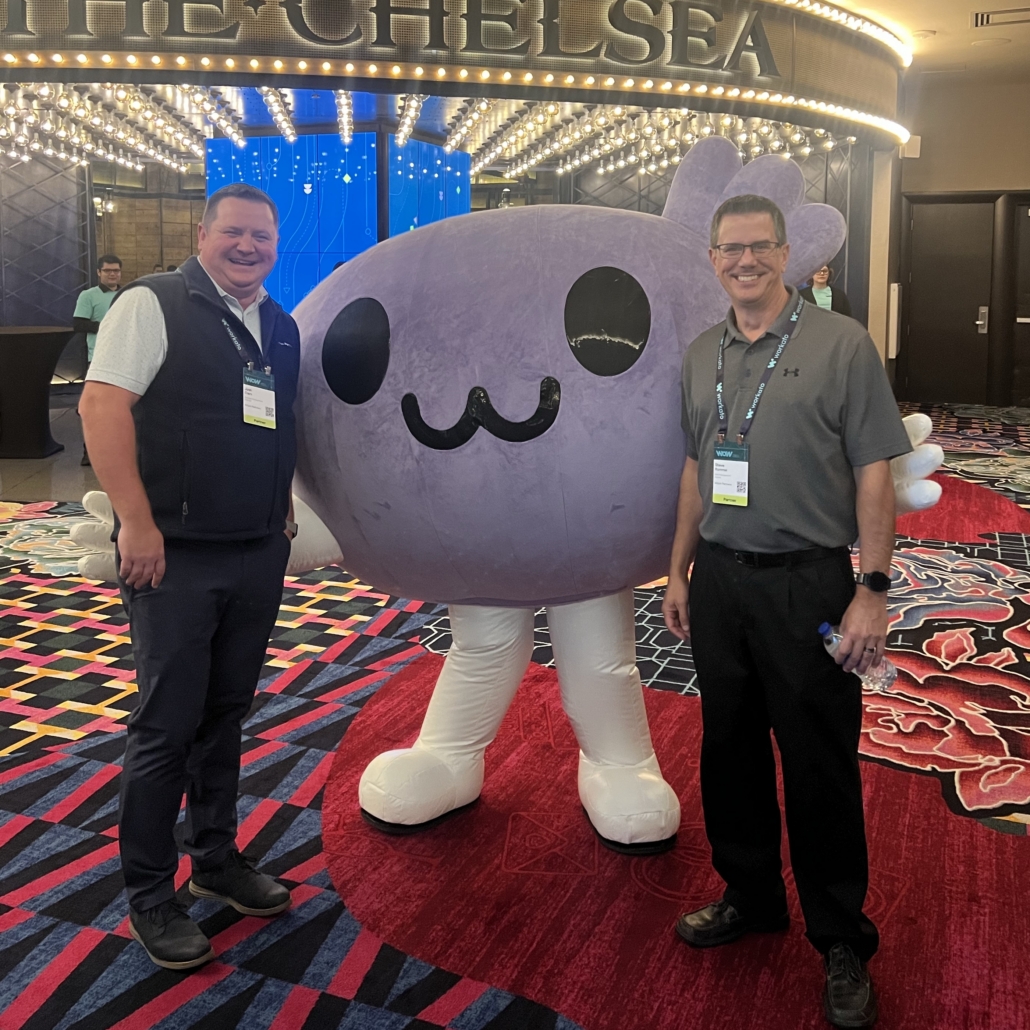
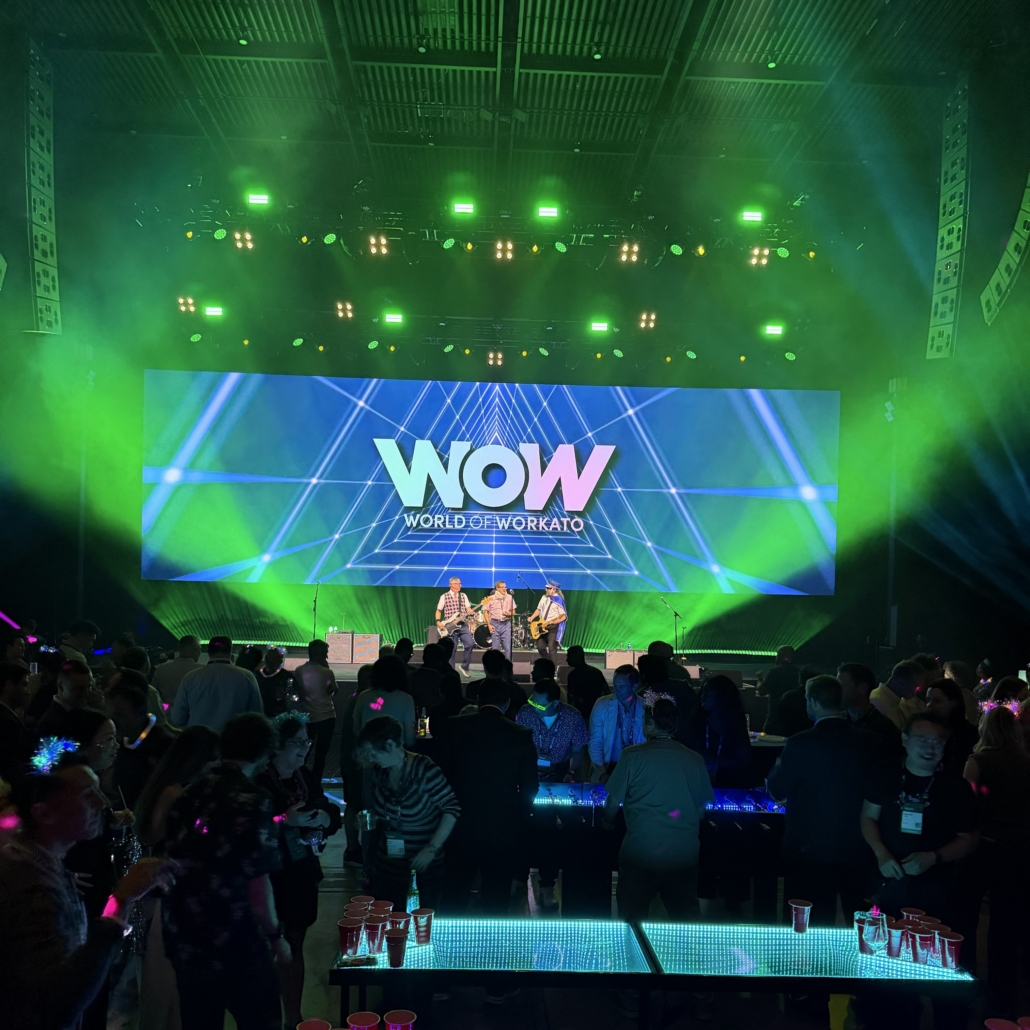
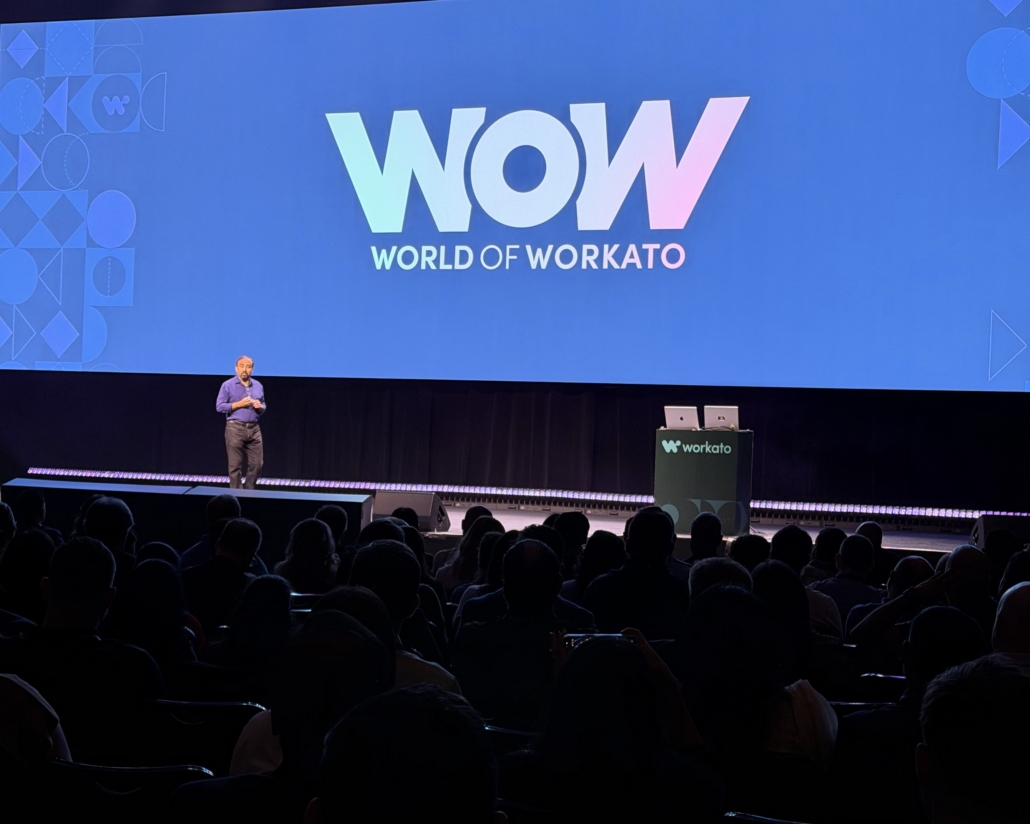
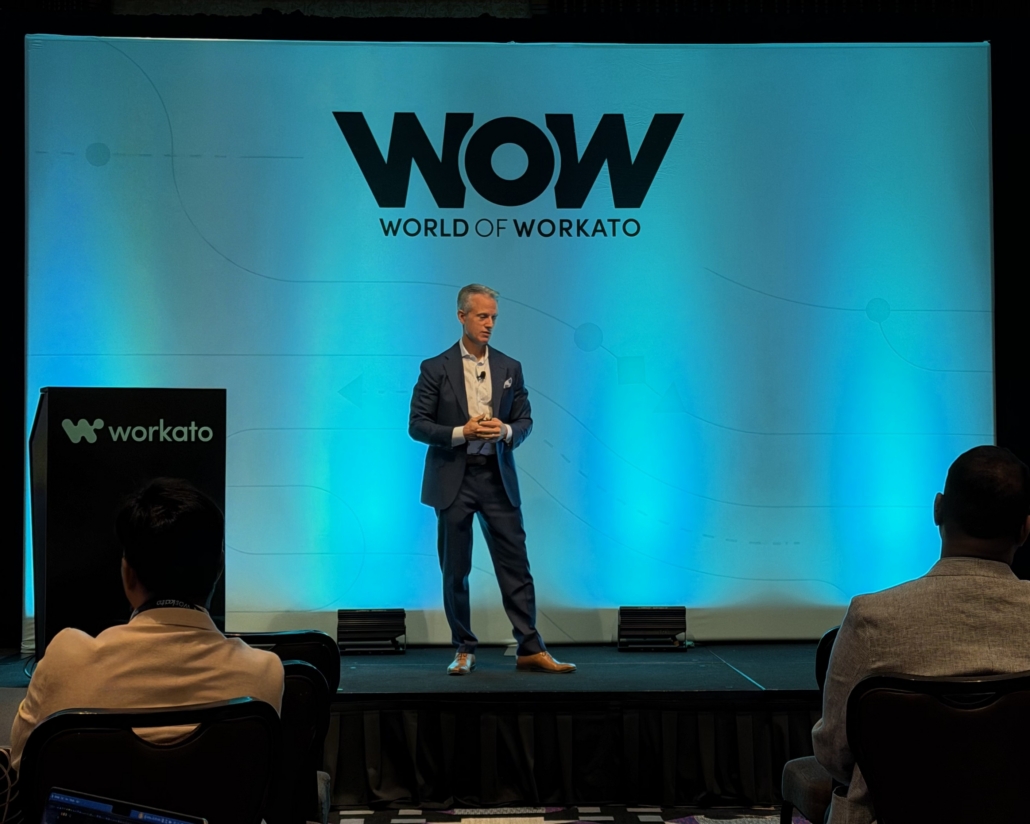
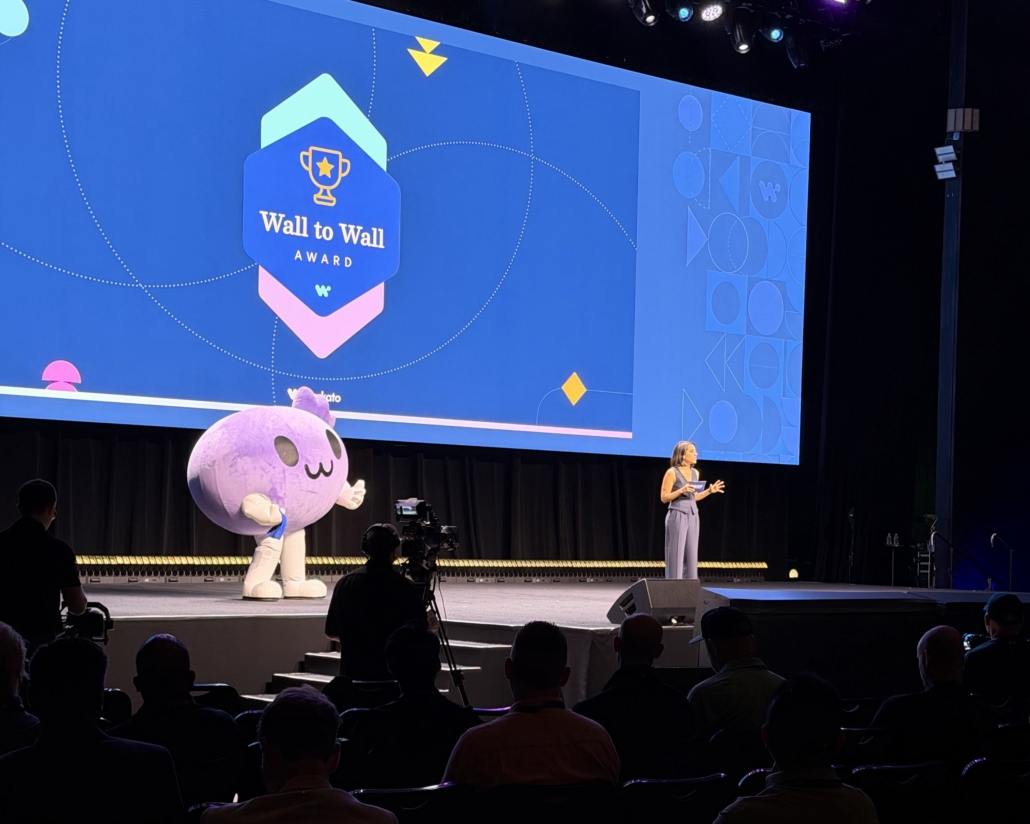
World of Workato (WoW) 2026 showed how Workato is evolving from an integration platform into an enterprise execution layer for AI. Across the keynotes, training, and breakouts, the central message was clear: Moving from AI pilots to measurable outcomes requires trusted process context, broad connectivity, secure orchestration, governance, reusable assets, disciplined delivery, and a capable model.
Production solutions need secure access, multi-step orchestration, approvals, validations, guardrails, and operational visibility.
The AI Factory and GEARS approach emphasized ownership, standards, controls, and an execution foundation before broad adoption.
Naming conventions, modular recipes, error handling, testing, documentation, and reusable patterns determine whether automations survive production.
Teams should define where AI can act, where people approve, and who owns outcomes.
AIRO is becoming the primary experience for creating, troubleshooting, and governing Workato assets using natural-language intent and workspace context. Agent Studio supports governed Genies built from job descriptions, skills, knowledge bases, and chat interfaces. Live Process Graph and Enterprise Process Context ground AI in actual business operations. The Enterprise AI Control Plane, AI Registry, and Agent Evals add security, cost control, discovery, and continuous monitoring.
Workato XChange promotes internal reuse; AIRO Connect and the Connector SDK accelerate custom connectivity; and WEL with Transformation Map makes complex mappings visual, testable, and traceable. AI-ready APIs add discoverability, metering, and agent-specific access policies.
Operations Genie – Resolve recurring requests and execute approved actions across service management, HR, ERP, and CRM systems.
Recipe modernization – Use AIRO to document inherited projects, troubleshoot failures, detect fragile patterns, and refactor to shared standards.
Long-tail connectivity – Generate, test, and publish connectors for internal or niche applications, then reuse them in recipes, APIs, and agents.
Complex data transformation – Use WEL and Transformation Map for large, nested payloads, reducing hand-coded logic and improving traceability.
Governed agent and API catalog – Register approved assets, control agent access, monitor quality with Agent Evals, and distribute reusable components through XChange.
With deep expertise in nonprofit and higher education organizations, Attain Partners combines sector knowledge with Workato’s integration, automation, and AI capabilities to help clients modernize complex operations without sacrificing governance or institutional trust.
With engagement capabilities spanning student, Advancement, finance, HR, research, and constituent systems; automating high-volume service and administrative workflows; developing governed Genies for staff and stakeholder support; and creating reusable accelerators tailored to common sector needs, Attain Partners delivers faster time-to-value while helping clients establish scalable, secure foundations for responsible AI adoption.
Attain Partners combines deep higher education and nonprofit sector knowledge with expertise in enterprise integration, automation, and responsible AI applications and usage. We help organizations build secure technology foundations that integrate systems and streamline operations while creating a practical path for AI adoption.

Steve Rummel is a Senior Consultant with over 25 years of progressive experience, primarily within Higher Education. He specializes in data architecture, data integration & migration, Master Data Management (MDM), and data governance, with a strong track record of delivering complex, enterprise-scale data solutions. Steve has led major transformation initiatives including Salesforce Ascend and Planon implementations, integrating data from multiple legacy systems into enterprise data warehouses. His background also includes hands-on development, database administration, and data quality management, combined with strong leadership in building teams, mentoring staff, and driving cross-functional collaboration.

Keep Your Finger
on the Pulse!
Subscribe to our monthly email newsletter for expert content to solve your organization’s issues and advance your mission.
Keep Your Finger
on the Pulse!
Subscribe to our monthly email newsletter for expert content to solve your organization’s issues and advance your mission.